
What to Expect When Reporting Domestic Violence to Vancouver Police
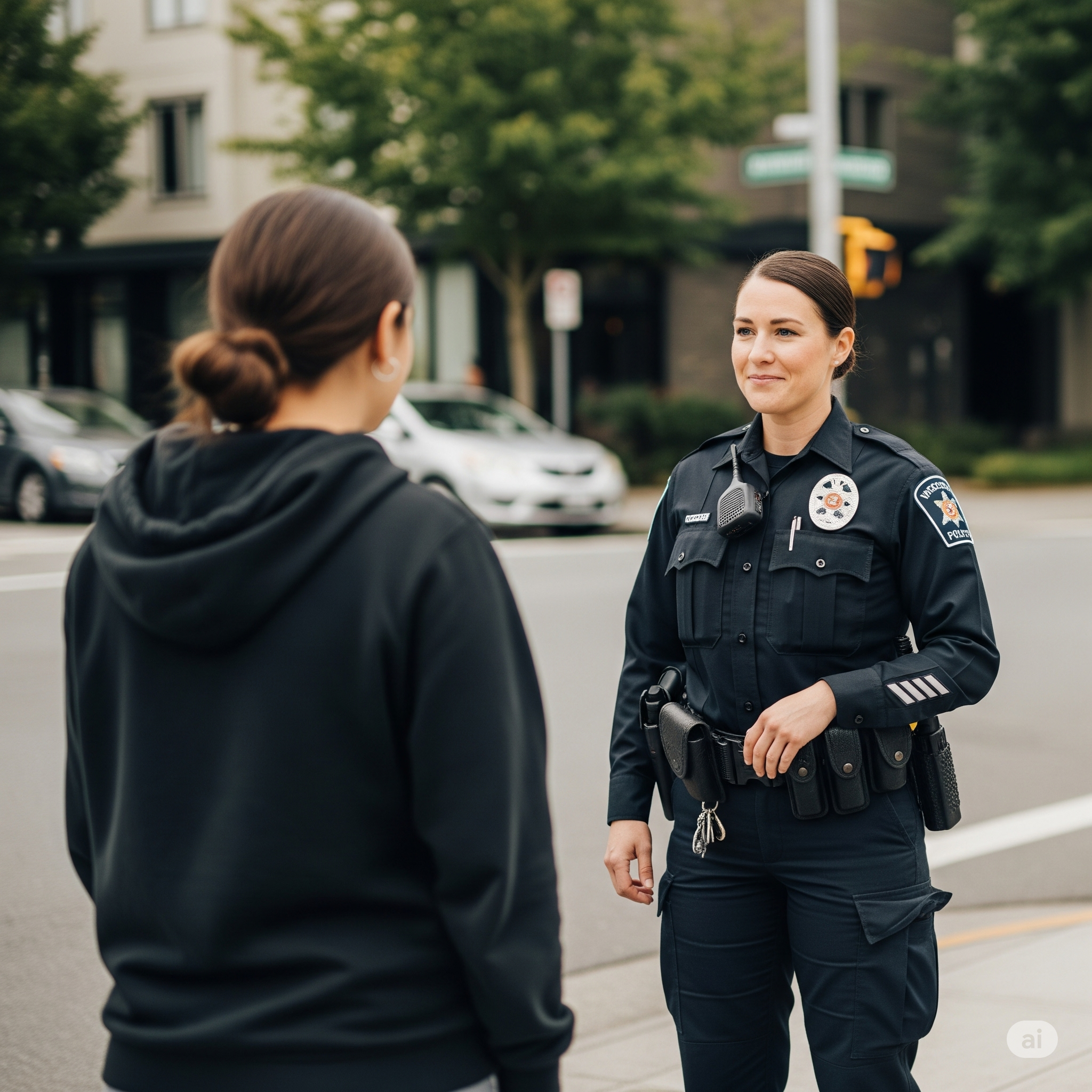
What to Expect When Reporting Domestic Violence to Vancouver Police
Deciding to report domestic violence is a courageous step toward safety and justice. Understanding the process can reduce anxiety and help you feel more empowered. This guide walks you through each stage—from initial contact to aftermath—so you know what to anticipate when you turn to the Vancouver Police Department (VPD) for help.
1. Initial Contact: How to Report
Emergency (911): Call 911 if someone is in immediate danger, an assault is in progress, or injuries require medical attention. Be prepared to share:
- Your exact location (address/intersection)
- Nature of the incident (physical violence, weapons involved, injuries)
- Number of people involved and whether children are present
Non-Emergency (604‑717‑3333): For past incidents or non-urgent reports, dial the VPD’s non-emergency line. Expect a longer response time than a 911 call.
In Person: Visit any VPD station to make a report face-to-face. Ask for a private interview room if you wish.
Third‑Party Reporting: With your consent, healthcare workers or social service providers can contact the police on your behalf.
2. Information Gathering by Dispatch
A dispatcher will ask for basic details:
- Your name, contact information, and location
- A summary of what happened, when, and where
- Whether weapons are present or injuries exist
Stay on the line for 911 until the dispatcher confirms it’s safe to hang up.
3. Officer Response and On‑Scene Procedures
Arrival: Responding officers will secure the scene, ensure everyone’s safety, and separate involved parties.
Statement: You will be asked to recount the incident in detail. Be as clear and honest as possible:
- Who was involved, and what actions occurred
- Sequence of events, locations, and any threats made
- Description of injuries or property damage
Officers may take written or recorded statements. You are entitled to have a support person (e.g., a victim services worker) with you.
4. Evidence Collection
Officers may:
- Photograph injuries and damaged property
- Collect witness statements or surveillance footage
- Request any relevant digital evidence (texts, emails, social media messages)
Proper documentation helps build a stronger case.
5. Safety Assessment and Immediate Support
An officer will assess risks to you and any children:
- Offer to contact VictimLink BC for 24/7 crisis support (1‑800‑563‑0808)
- Provide referrals to emergency shelters, counselling, and legal aid
- Review existing protection orders or peace bonds on file
6. Decision on Arrest
VPD officers have the authority to arrest based on reasonable grounds, regardless of victim wishes, to ensure immediate safety:
- If arrested, the alleged abuser will be taken into custody for a bail hearing
- If not arrested, officers will still file a report and advise on court‑based protective options (e.g., Protection Orders)
7. Victim Services Referral
You will receive information about Victim Services programs:
- Emotional support and crisis counselling
- Safety planning and practical assistance
- Guidance through the criminal justice process
8. Follow‑Up and Investigation
After filing your report:
- An investigating officer may contact you for further details and witness interviews
- You will receive a file number—keep this for all follow‑up inquiries
- The file is reviewed by Crown Counsel to determine if charges will proceed
9. Your Rights Throughout the Process
- Interpreter Services: Request a translator if needed
- Support Person: Have a victim services worker or advocate accompany you
- Privacy: Your confidentiality is respected, except when disclosure is legally required to prevent harm
- Information: You will be kept informed about major case developments
10. After Reporting: Next Steps
- Stay in touch with your investigating officer and provide any new information promptly
- Engage with victim services for ongoing emotional and practical support
- Consult Legal Aid BC or a private lawyer for court applications like Protection Orders or family law proceedings
- Prioritize self‑care: accessing counselling, support groups, and trusted friends/family