
Technology and Digital Abuse: How to Protect Yourself in Ontario
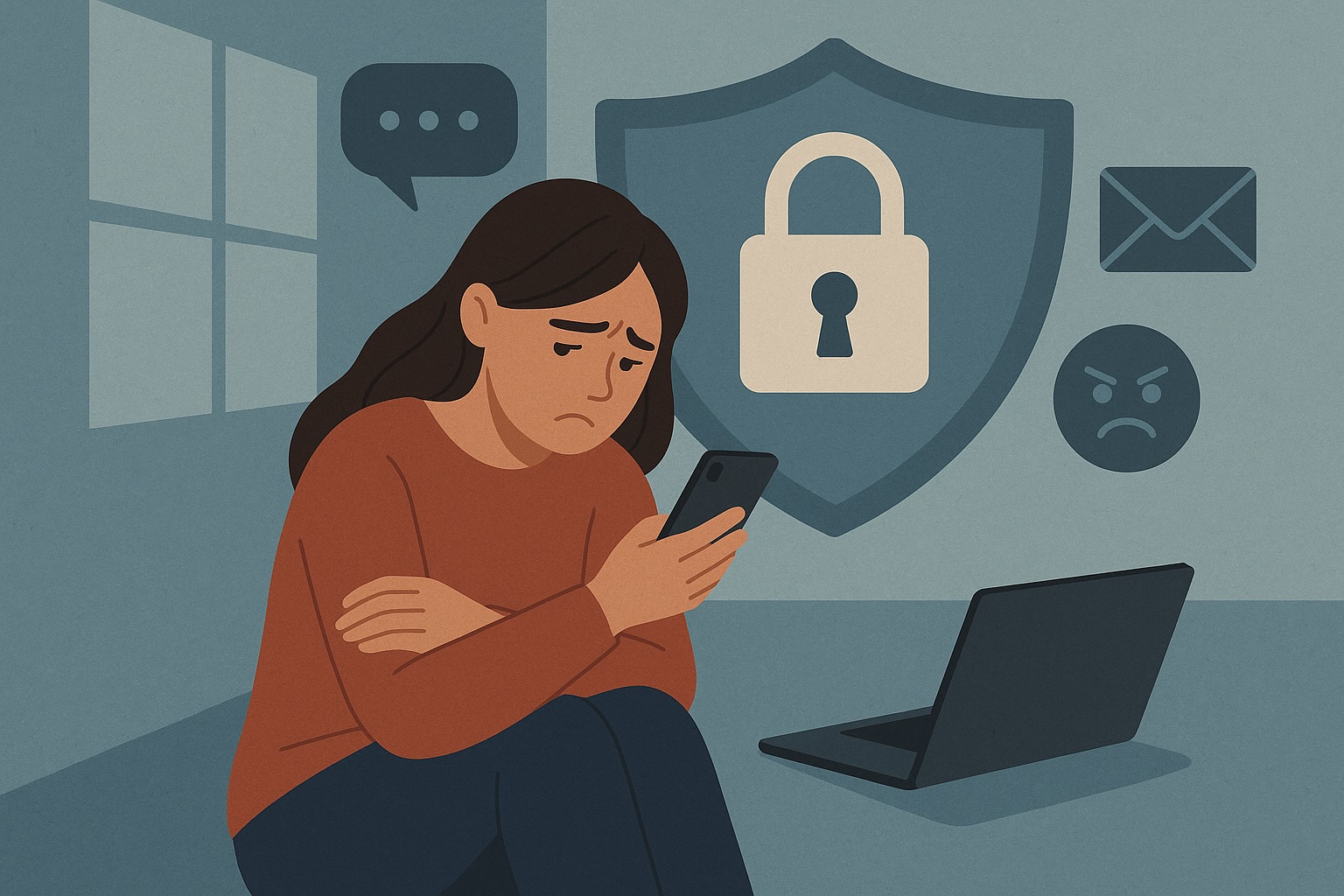
Technology can be a tool for safety—but also a weapon in the hands of an abusive partner. Digital abuse includes monitoring your phone, tracking your location, hacking your accounts, or controlling how you use technology.
This post explains how to recognize digital abuse, protect your privacy, and take back control of your tech life in Ontario.
🚨 What Is Digital or Tech-Enabled Abuse?
Digital abuse can include:
Reading your messages, call logs, or emails without consent
Installing spyware or GPS tracking on your phone or car
Forcing you to share passwords or unlock devices
Impersonating you online
Using smart home devices (like cameras or doorbells) to monitor your movements
Sending threats or harassment via text, social media, or email
Using revenge porn or threats to expose private information
Controlling access to your phone, internet, or social media
🛡️ How to Protect Yourself
🔐 Secure Your Devices
Change all passwords—use unique ones for email, banking, and social media
Set up 2-step verification where possible
Scan devices for spyware or unknown apps
Perform a factory reset if you suspect tracking
Avoid using shared devices if you're in danger
📱 Protect Your Location
Turn off location sharing in all apps and settings
Disable GPS when not needed
Check for unknown tracking devices (AirTags, Bluetooth trackers)
Don’t tag real-time locations on social media
🧠 Control What You Share
Log out of shared email or cloud accounts
Block access to shared calendars, photo albums, or smart home devices
Ask trusted friends not to post your whereabouts online
Use “incognito” mode or public computers for sensitive research (like shelters or legal aid)
🛠️ Tools That Can Help
Incognito mode for private browsing
Signal or WhatsApp for encrypted messages
App permissions settings to block camera/mic access
Facebook Privacy Checkup to lock down visibility
Canary apps or panic buttons if you’re being stalked
Always consider your abuser's tech skill level—some abuse is invisible.
👩💼 Legal Protections for Digital Abuse in Ontario
Harassment, threats, and stalking are crimes under the Criminal Code
You can seek a restraining order or peace bond even for tech-based threats
Judges may ban an abuser from contacting you via text, email, or social media
Digital evidence (screenshots, call logs, AirTag records) is admissible in court
📌 Summary: Staying Safe from Digital Abuse
✅ Change passwords and use 2FA to protect access
✅ Turn off location sharing and check for trackers
✅ Don’t store private info on shared devices
✅ Log evidence of harassment (safely and securely)
✅ Reach out to legal aid or DV services for help
📞 Where to Get Help
Assaulted Women’s Helpline (24/7): 1-866-863-0511
Cybertip.ca – Report online harassment or stalking
Luke’s Place – Legal help for women experiencing tech-enabled abuse
Ontario Provincial Police (OPP) – Non-emergency line for stalking or tech threats
211 Ontario – Find digital safety workshops and survivor tech supports
Frequently Asked Questions (FAQs)
1. Is it illegal for my partner to post my private photos online in Ontario?
Yes. Sharing an intimate image of someone without their consent is a specific criminal offence in Canada. If this happens to you, you should report it to the police immediately.
2. How can I find out if there is spyware on my phone?
Signs of spyware can include your battery draining unusually fast, your phone being slow or hot, or seeing unfamiliar apps. If you suspect spyware has been installed, the safest option is often to back up your essential data (like photos and contacts) and then perform a factory reset of the device.
3. What is the most important online account to secure first?
Your primary email account is the most critical account to secure. It often acts as the key to all your other accounts through the "forgot password" function. Change the password and enable two-factor authentication (2FA) on your email first.
4. I'm afraid to change my passwords because my abuser will get angry. What should I do?
This is a common and valid fear, as a sudden change can alert the abuser and escalate the danger. This is why it's essential to do your safety planning on a device the abuser doesn't have access to. Contact the Assaulted Women's Helpline (1-866-863-0511) to create a safety plan before you make any changes to your devices.
5. Is cyberstalking a crime in Ontario?
Yes. While "cyberstalking" isn't a specific term in the Criminal Code, the behaviour falls under the offence of Criminal Harassment. If someone is repeatedly contacting you, following you online, and making you fear for your safety, you can report it to the police.
6. Where can I get help creating a technology safety plan?
Organizations like Tech Safety Canada (run by Women's Shelters Canada) have excellent online resources and toolkits. You can also get direct, confidential help with safety planning from your local women's shelter or by calling a 24/7 crisis line.