
Indigenous-Specific Domestic Violence Support Programs in Ontario
Indigenous survivors of domestic violence deserve healing rooted in culture and community. Explore Ontario-based Indigenous programs that offer trauma-informed, traditional, and holistic support.
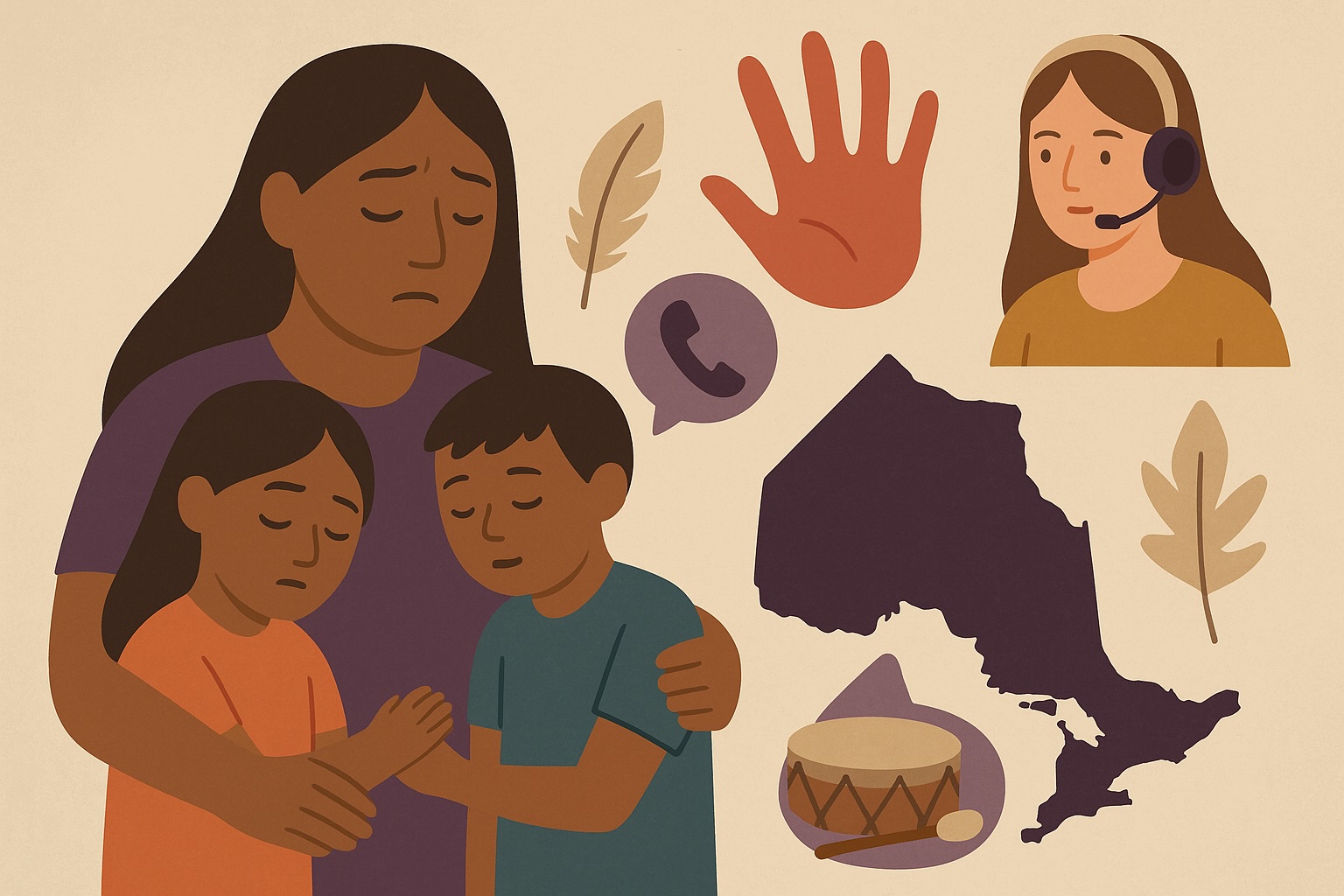
Indigenous women in Canada face some of the highest rates of intimate partner violence—yet also face unique barriers to getting help. In Ontario, there are programs designed specifically to support First Nations, Inuit, and Métis survivors in ways that honour tradition, culture, and community healing.
This guide highlights Indigenous-led domestic violence services across Ontario that offer trauma-informed, culturally rooted care.
🌱 Why Indigenous-Specific Supports Matter
Indigenous survivors often experience intergenerational trauma linked to colonization and residential schools
Mainstream shelters may lack cultural safety or knowledge of Indigenous family structures
Healing for many Indigenous survivors involves Elders, ceremonies, and traditional teachings
Many programs serve Two-Spirit individuals, youth, and rural communities
🧭 Where to Find Indigenous Domestic Violence Support in Ontario
Talk4Healing 📞 1-855-554-4325
24/7 helpline for Indigenous women
Services in English, French, and 14 Indigenous languages
Offers crisis counselling, safety planning, and referral services
Ontario Native Women’s Association (ONWA) 🌐 onwa.ca
Indigenous women-led programs across Ontario
Support includes violence prevention, housing, legal aid, and youth mentorship
Offers healing circles, drumming, and cultural reconnection
Native Women’s Resource Centre of Toronto (NWRCT) 🌐 nwrct.ca
Programs for women, children, and Two-Spirit people
Includes drop-in supports, transitional housing help, and cultural events
Thunder Woman Healing Lodge Society (Toronto) 🌐 thunderwoman.ca
For Indigenous women exiting violence and incarceration
Focus on cultural healing, reintegration, and wraparound support
Anduhyaun Inc. (Toronto) 🌐 anduhyaun.org
Emergency and transitional housing for Indigenous women and children
Staffed by Indigenous women and grounded in matriarchal traditions
M’Wikwedong Indigenous Friendship Centre (Owen Sound)
Offers DV prevention and family supports in Grey Bruce region
Hosts programming in partnership with shelters and family services
🛠️ What Services Are Offered?
Culturally safe shelters and transitional housing
Healing circles, traditional medicines, smudging, and Elders’ guidance
Legal support for protection orders, child welfare, or immigration
Safety planning that reflects community ties and mobility issues
Supports for Two-Spirit and LGBTQ+ survivors
Support for children who witness violence
Many services are available even if you are not status or living off-reserve.
📌 Summary: Indigenous DV Support in Ontario
✅ Culturally safe, Indigenous-led programs exist across the province
✅ Help includes shelter, counselling, safety planning, and legal aid
✅ Services are trauma-informed and rooted in ceremony, language, and land
✅ Two-Spirit and off-reserve survivors are welcomed and supported
✅ Talk4Healing is available 24/7 in multiple Indigenous languages
📞 Where to Get Help
Talk4Healing (24/7): 1-855-554-4325
Ontario Native Women’s Association (ONWA): onwa.ca
Native Women’s Resource Centre (Toronto): nwrct.ca
Assaulted Women’s Helpline: 1-866-863-0511
211 Ontario: Dial 2-1-1 for Indigenous-specific programs in your area
Frequently Asked Questions (FAQs)
1. I am an Indigenous woman in crisis in Ontario. Who should I call right now?
If you are in immediate danger, call 911. For immediate, confidential, and culturally safe support, call the Talk4Healing helpline at 1-855-554-4325. It is available 24/7 and is staffed by Indigenous women who can provide crisis counselling in multiple languages.
2. What makes these support programs "Indigenous-specific"?
These programs are designed and led by Indigenous people for Indigenous people. They are "culturally grounded," meaning they integrate traditional teachings, ceremonies (like healing circles and smudging), and a holistic understanding of health and well-being. This approach recognizes the role of intergenerational trauma and colonization in the violence experienced by Indigenous women.
3. Are there safe shelters specifically for Indigenous women and children in Toronto?
Yes. Anduhyaun Inc. is a well-established organization in Toronto that provides both an emergency shelter and second-stage (transitional) housing for Indigenous women and their children who are fleeing violence.
4. I'm not in crisis, but I need support. Where can I go?
Organizations like the Ontario Native Women’s Association (ONWA) and the Native Women’s Resource Centre of Toronto (NWRCT) offer a wide range of non-crisis supports. This can include legal advocacy, housing help, counselling, parenting programs, and cultural events that can help you reconnect with the community.
5. Do these services support Two-Spirit and gender-diverse people?
Yes. Many of these organizations, such as the Native Women’s Resource Centre of Toronto, explicitly offer programs and a safe space for Two-Spirit (2S) and gender-diverse community members, recognizing that they face unique challenges and barriers when experiencing violence.
6. How can I find Indigenous-specific DV programs outside of a major city?
A great resource is to call 211 Ontario (by dialling 2-1-1) or Talk4Healing. They can connect you with local Indigenous Friendship Centres or other specific programs that serve your region, like the M’Wikwedong Indigenous Friendship Centre in the Owen Sound area.