
How to End a Lease Early by Mutual Agreement in Alabama: A Tenant’s Guide
A guide to ending a lease by mutual agreement in Alabama. Learn about the "no duty to mitigate" risk, drafting a written agreement, and the 60-day security deposit rule.
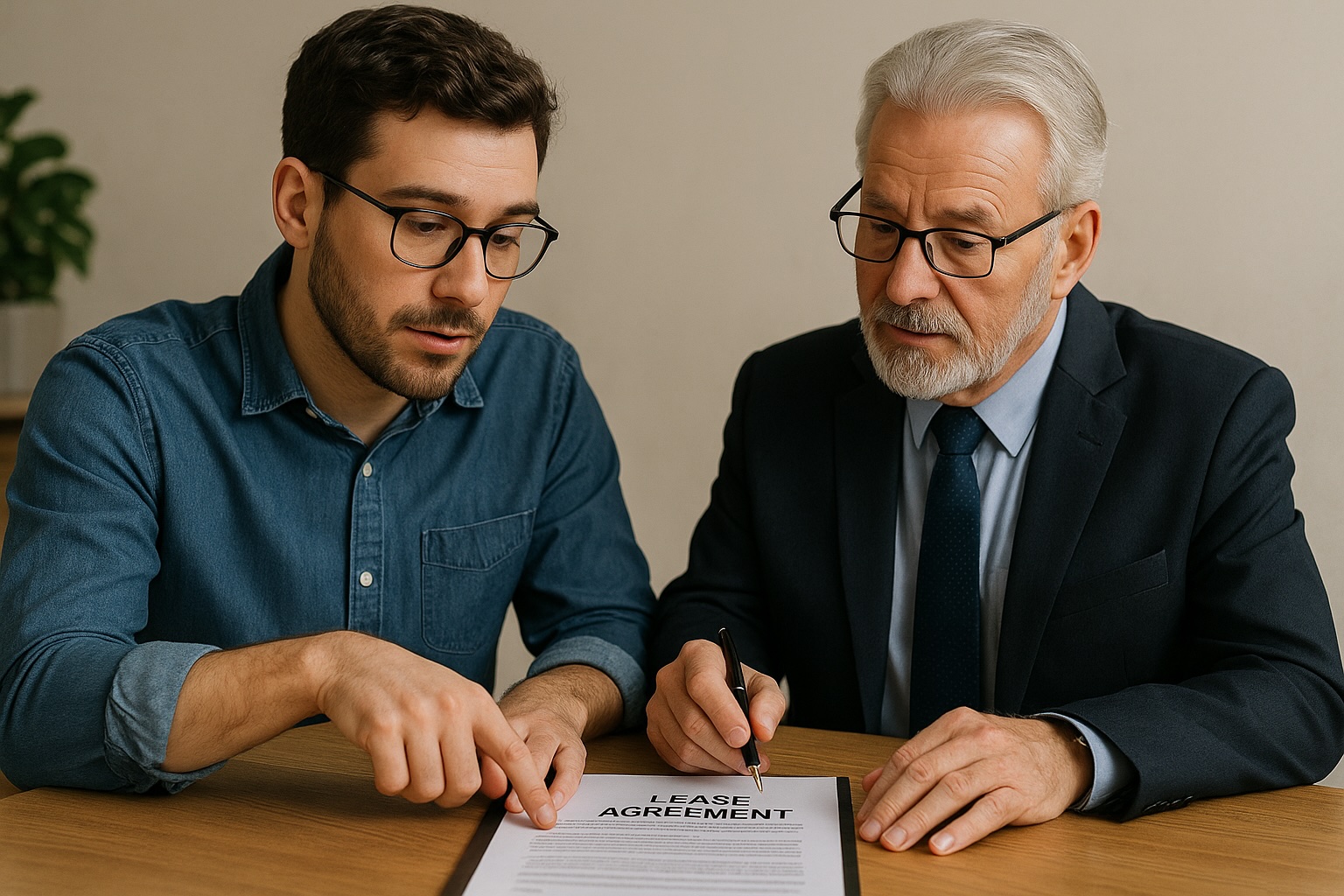
In Alabama, breaking a lease can be financially risky. Unlike many other states, Alabama law historically provides landlords with no strict statutory duty to "mitigate damages" (find a new tenant) if you leave early. This means that if you simply walk away, you could theoretically be held responsible for the entire remaining rent of your lease term.
However, there is a safe legal pathway to exit early: the Mutual Agreement to End Tenancy.
While the Alabama Uniform Residential Landlord and Tenant Act (Section 35-9A) governs the relationship, it does not provide a specific government form for mutual termination. Instead, you and your landlord must create a binding written contract to dissolve the lease. This guide explains how to do it, the critical "no duty to mitigate" risk, and how to handle "Cash for Keys."
How a Mutual Agreement Works in Alabama
A mutual agreement is a voluntary contract where both parties agree to end the lease on a specific date, releasing the tenant from future liability.
No "Official" State Form: Alabama does not have a mandated form (like a "Form N11") for this. You cannot download a standard template from the court website. You must draft a written agreement signed by both parties.
Overrides the Lease: A valid mutual agreement replaces the original end date of your lease. It effectively stops your obligation to pay rent after the agreed move-out date.
Voluntary: A landlord cannot be forced to sign this. If they refuse, you are bound by the original lease terms unless you have a specific legal excuse (like active military duty).
When Should You Use It?
1. Breaking a Fixed-Term Lease
If you have a 12-month lease and need to move for a job or family reasons, simply giving 30 days' notice is not sufficient to end your financial obligation.
The "No Duty to Mitigate" Risk: In Alabama, if you abandon the property, the landlord is not necessarily required by state statute to try to re-rent it immediately. They could potentially leave it empty and sue you for the remaining months of rent.
The Solution: A mutual agreement is the only way to guarantee you won't be sued for future rent. You may need to offer the landlord a "break fee" (e.g., forfeiting your deposit or paying one month’s rent) to get them to sign.
2. "Cash for Keys" (Landlord Sale or Renovation)
If your landlord wants to sell the property or renovate, they might ask you to leave early.
The Negotiation: Since the landlord generally cannot force you out during a fixed-term lease without cause (like non-payment), you have leverage. You can negotiate a "Cash for Keys" deal, where the landlord pays you to sign a mutual termination agreement.
Is it Legal? Yes. Cash for keys is a legal, private contract in Alabama. It is an effective way to avoid the time and expense of eviction courts.
How to Draft the Agreement
Since there is no official form, you must draft a letter or document. It must be clear and signed to be enforceable in Alabama courts.
Required Elements:
Title: "Mutual Lease Termination Agreement."
Parties: Full names of the Landlord and Tenant.
Property: The complete address of the rental unit.
Termination Date: The exact date you will vacate and return possession.
Release of Liability: A critical clause stating: "The Landlord agrees to release the Tenant from all future rent obligations under the Lease after the Termination Date."
Security Deposit: Specify if the deposit will be returned or forfeited as part of the deal.
Signatures: Both parties must sign and date the document.
The Risks for Tenants
1. Security Deposit Return (60-Day Rule)
Alabama gives landlords a long time to return deposits. The landlord has 60 days after termination of the tenancy and delivery of possession to return your deposit or provide an itemized list of deductions.
Double Damages: If the landlord fails to mail the refund or accounting within 60 days, they may be liable to pay you double the original deposit amount.
Forwarding Address: You must provide your valid forwarding address in writing when you leave. If you don't, and the landlord cannot reach you, you forfeit the deposit after 90 days.
2. Verbal Agreements
Never rely on a text message or handshake. If the landlord agrees to let you leave early but later denies it, the written lease will likely prevail in court, and you could owe thousands in back rent.
Frequently Asked Questions (FAQ)
1. Is there an official Alabama form to end a lease?
No. While there are specific notice forms for eviction (7-day notices), there is no specific government form for mutual agreement. You must write your own contract.
2. Can I break my lease for military reasons?
Yes. Under federal law (SCRA) and Alabama law, active duty military members can end a lease by giving written notice and a copy of their orders. The lease typically ends 30 days after the next rent payment is due.
3. Does the landlord have to find a new tenant if I move out?
Unlike many states, Alabama law does not explicitly require landlords to "mitigate damages" (find a new tenant) in all cases. This makes signing a mutual agreement critical to stop your rent obligation.
4. Can I end my lease if the place is unsafe (Constructive Eviction)?
If the unit is uninhabitable (e.g., no water, dangerous defects), you may be able to leave after giving the landlord 14 days' written notice to fix the issue. If they don't fix it, the lease may terminate. This is legally complex, so document everything.
5. When do I get my deposit back?
The landlord has 60 days to mail your check or an itemized list of damages. Ensure you give them your new address in writing.
References:
Alabama Uniform Residential Landlord and Tenant Act (Ala. Code § 35-9A)
Alabama Legal Help: Ending Your Lease and Moving Out
Nolo: Tenant's Right to Break a Rental Lease in Alabama
DoorLoop: Breaking a Lease in Alabama Guide
Source: www.dv.support
LinkedIn: www.linkedin.com/company/dvsupportofficial