
Emergency Domestic Violence Shelters in Ontario: What to Expect and How to Access Them
Thinking about going to a domestic violence shelter in Ontario? Learn what to expect, how to access one quickly, and how shelters can support your safety and recovery.
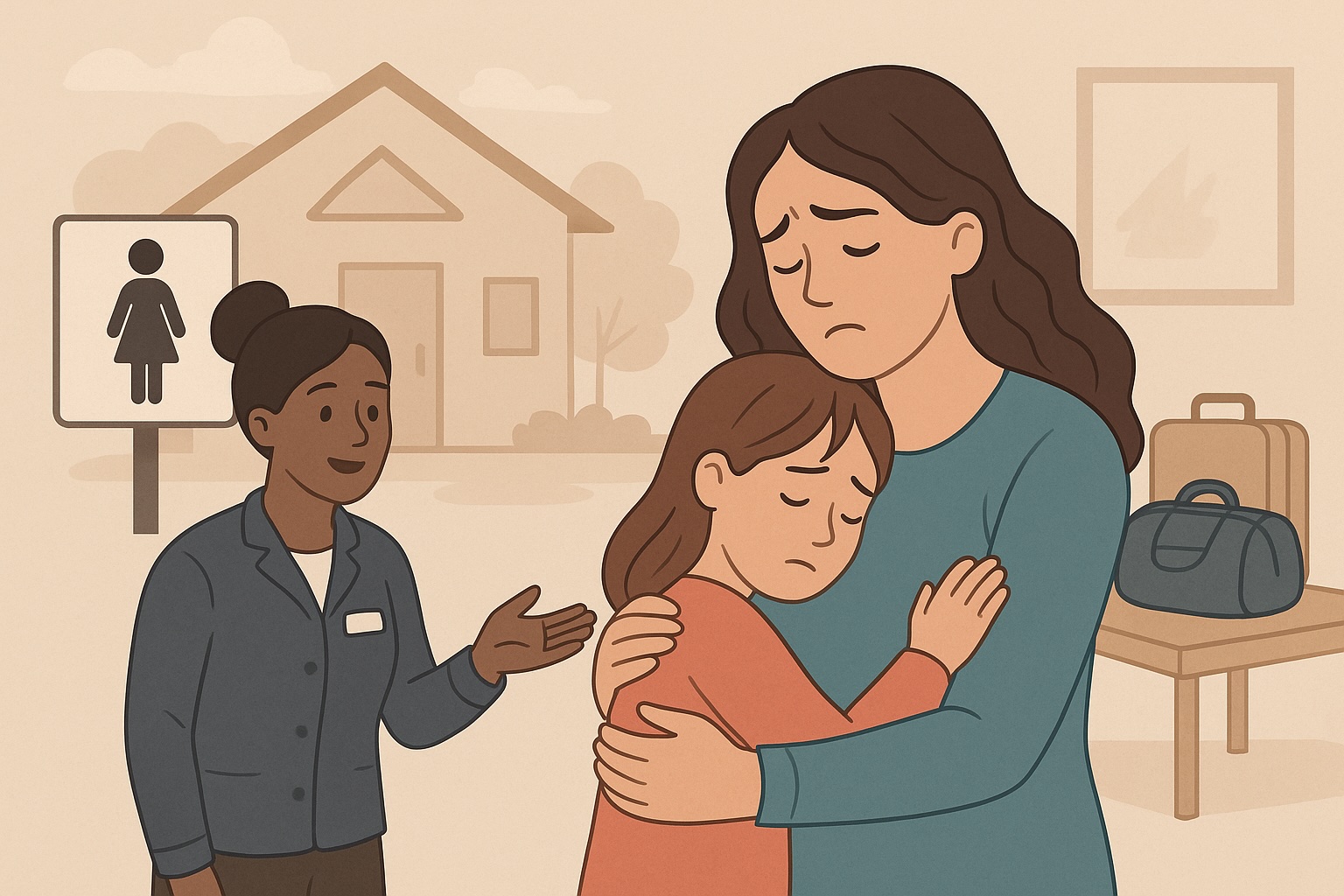
If you’re in an unsafe situation at home, Ontario’s emergency shelters can offer protection, support, and space to plan your next steps. You do not need police involvement or a referral to access most shelters—they exist to help you, right now.
📞 How to Access a Shelter in Ontario
Call the Assaulted Women’s Helpline (24/7): 1-866-863-0511
Visit sheltersafe.ca and click on your Ontario region
Call 211 Ontario or visit 211ontario.ca
You can also contact any shelter directly—they don’t require proof of abuse
If you’re in immediate danger, call 911
You can go alone or with your children. Most shelters welcome survivors of all backgrounds, including newcomers, LGBTQ+ individuals, and Indigenous women.
🧳 What to Bring (If You Can)
If it’s safe, pack a few essentials:
ID, health cards, and immigration papers
Medications and prescriptions
Children’s items (clothes, school supplies, comfort objects)
Cash or prepaid cards
Cell phone, charger, emergency contacts
Any court documents or protection orders
Don’t worry if you leave without these—shelters will still support you.
🛌 What to Expect Inside a Shelter
A safe, secure, and confidential location
Shared or private bedrooms, often with space for children
Communal kitchen, living areas, and support rooms
Security protocols (no visitors, locked doors, unlisted address)
Staff available 24/7, including crisis counsellors
Other survivors in similar situations—no judgment
🧑💼 Services You’ll Receive
Safety planning and emotional support
Help with legal aid, child custody, and family court
Support applying for income assistance or housing
Connections to trauma counselling, parenting help, and job programs
Accompaniment to police, hospitals, or court (if you choose)
Advocacy for immigration and newcomer supports
Many shelters offer services in multiple languages or can arrange interpreters.
🧒 Can You Bring Your Children?
Yes. Shelters are trained to support women and children:
Safe sleeping arrangements and supervised spaces
Trauma-informed counselling for children
Help with school transfers, daycare, or childcare
Some shelters also support teens and LGBTQ+ youth
🧠 Common Fears (and the Truth)
“Will I be judged?” → No. Shelters are non-judgmental, confidential, and supportive.
“Will they tell police?” → Only if someone is at immediate risk.
“Will I lose my kids?” → No. Shelters support your right to parent safely.
“Can I go back later if I leave?” → Yes. Shelters allow re-entry if space permits.
📌 Summary: What to Know About Shelters
✅ You don’t need police or a referral to access one
✅ Shelters are safe, secure, and confidential
✅ They support your safety, parenting, and legal needs
✅ You can go alone or with your children
✅ Help is available 24/7, across Ontario
📍 Shelter & Support Resources in Ontario
Assaulted Women’s Helpline (24/7): 1-866-863-0511
ShelterSafe: sheltersafe.ca
211 Ontario: Call 2-1-1 or visit 211ontario.ca
Barbra Schlifer Clinic (Toronto): Legal + counselling support
OAITH (Ontario Association of Interval and Transition Houses): oaith.ca
Frequently Asked Questions (FAQs)
1. How do I find a women's shelter near me in Ontario?
The best way is to call the Assaulted Women’s Helpline at 1-866-863-0511. They maintain a real-time list of available spaces across the province and can connect you to a shelter that meets your needs.
2. Do I have to pay to stay at a shelter?
No. All services provided by provincially-funded shelters in Ontario, including your room, food, counselling, and other supports, are completely free.
3. What should I bring with me to an emergency shelter?
If it's safe and you have time, try to bring important documents (ID, health cards), medications, and a few personal items. However, your safety is the priority. You can show up with nothing and the shelter will help you get the necessities you need.
4. How long can I stay in an emergency shelter?
The length of stay varies, but it is typically a short-term emergency solution, often for several weeks. During your stay, staff will work intensively with you to create a plan for longer-term, safe housing.
5. I'm worried my partner will find me. Are shelters confidential?
Yes. The location of shelters is not made public to protect the safety and confidentiality of the residents. They have strict security protocols and will not confirm if you are staying there to anyone who calls or asks.
6. Can my children come with me to a shelter?
Yes, absolutely. Shelters are specifically designed to support both women and their children. They provide a safe environment for kids and offer specialized children's programs and counselling.