
Coercive Control: What It Is and How to Identify It in Your Relationship
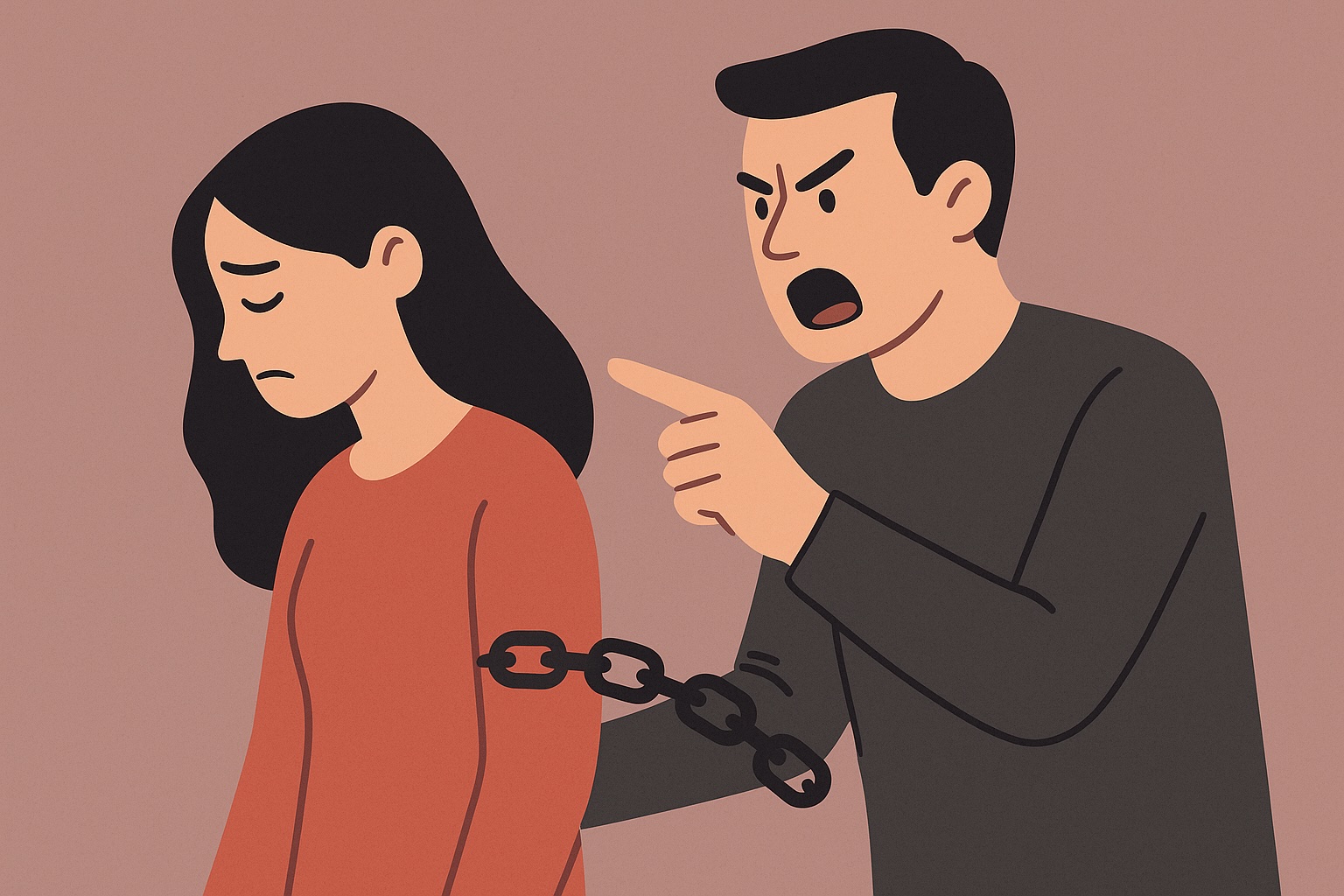
Not all abuse leaves bruises. Coercive control is a pattern of dominating behaviors that isolate, intimidate, and control a partner—often without physical violence. It’s now recognized in many Ontario family law cases as a serious form of domestic violence.
Here’s how to recognize coercive control in a relationship—and why it matters.
🛑 What is Coercive Control?
Coercive control is a strategic campaign of domination. It’s about one person controlling the other’s freedom, choices, and autonomy over time.
This form of abuse may involve:
Surveillance or constant monitoring
Intimidation, guilt, or gaslighting
Isolation from friends, family, or work
Micro-management of daily life (what you wear, eat, or do)
Threats (to report to police, immigration, or child welfare)
Depriving access to money, transport, or phones
It often begins subtly and worsens gradually, making it harder to detect—even by the victim.
🚩 Red Flags of Coercive Control
Ask yourself if your partner:
Tracks your phone, location, or internet use
Gets angry when you talk to others without permission
Controls your clothing, food, or sleep
Makes you feel like you're always walking on eggshells
Destroys your belongings to punish you
Withholds affection as a form of punishment or reward
Uses your immigration or legal status as leverage
Tells you you’re “crazy” or “too sensitive” when you object
Interrogates you about where you've been or who you've talked to
Blocks you from getting a job or attending school
Coercive control is not a single act—it’s a pattern that chips away at your freedom and self-worth.
📚 How Canadian Law Sees Coercive Control
While not yet a standalone criminal offence in Canada, coercive control is:
Considered in family law and child custody decisions
Cited in restraining order applications
Recognized by judges when assessing emotional harm or danger
The UK and Australia have already criminalized it. Canada is exploring similar reforms.
🧩 Coercive Control vs. Other Abuse
Physical abuse = visible harm
Sexual abuse = non-consensual acts
Financial abuse = control of money
Coercive control = all-consuming power over your life, including emotional, social, legal, and digital aspects
Often, coercive control is the foundation beneath other forms of abuse.
💬 What Survivors Often Say
“I wasn’t allowed to leave the house without permission.”
“He checked my call logs and deleted my friends from social media.”
“She told me I’d lose the kids if I ever left.”
“I stopped making choices—I just did what he wanted to keep the peace.”
“I didn’t even realize it was abuse until I got out.”
📌 Summary: Understanding Coercive Control
✅ A pattern of emotional, psychological, and behavioral domination
✅ Often no physical violence—yet extremely dangerous
✅ Can include isolation, surveillance, intimidation, and micro-control
✅ Widely recognized in Ontario courts as a form of abuse
✅ Survivors may not realize they’re being abused until much later
📞 Where to Get Help
Assaulted Women’s Helpline (24/7): 1-866-863-0511
Luke’s Place: Legal and emotional support for DV survivors
211 Ontario: For services near you
Barbra Schlifer Clinic: Counselling, advocacy, and legal help
YWCA Ontario and Shelters: Many offer trauma-informed support for coercive control
Frequently Asked Questions (FAQs)
1. Is coercive control illegal in Ontario?
As of August 2025, coercive control is not a specific, standalone criminal offence in Canada. However, many of the individual acts that make up a pattern of coercive control are illegal (e.g., uttering threats, criminal harassment/stalking, assault). The law is evolving, and family courts in Ontario now recognize coercive control as a serious form of domestic violence when making decisions about parenting and safety.
2. How is coercive control different from physical abuse?
Physical abuse involves acts of violence that cause bodily harm. Coercive control is a psychological form of abuse focused on domination and control. While they are different, they often occur together. Coercive control can be a major warning sign that physical violence may escalate or occur in the future.
3. My partner has never hit me, but I'm scared of them. Could this be coercive control?
Yes. A key element of coercive control is creating a climate of fear. Even without physical violence, constant monitoring, intimidation, and isolation can be incredibly damaging and make you feel trapped and afraid. This is a valid and serious form of abuse.
4. What is "gaslighting"?
Gaslighting is a manipulation tactic where an abuser makes you doubt your own perceptions, memory, and sanity. They might deny that abusive events ever happened, or twist the story to make it seem like your fault. It's a common and very damaging element of coercive control.
5. How can I prove coercive control in court?
Proving a pattern of behaviour can be challenging. It's helpful to keep a detailed log or journal of incidents, including dates and times. Save any threatening text messages, emails, or voicemails. Statements from witnesses like friends, family, or a therapist who have observed the controlling behaviour or its impact on you can also be powerful evidence.
6. Where can I get help if I am experiencing coercive control?
You can get confidential support by calling the Assaulted Women's Helpline at 1-866-863-0511. They can help you understand your situation, create a safety plan, and connect you with local resources in Ontario, such as shelters, counsellors, and legal aid clinics that understand coercive control.