
Sharing Your Story (Safely): Empowerment and Advocacy for Survivors
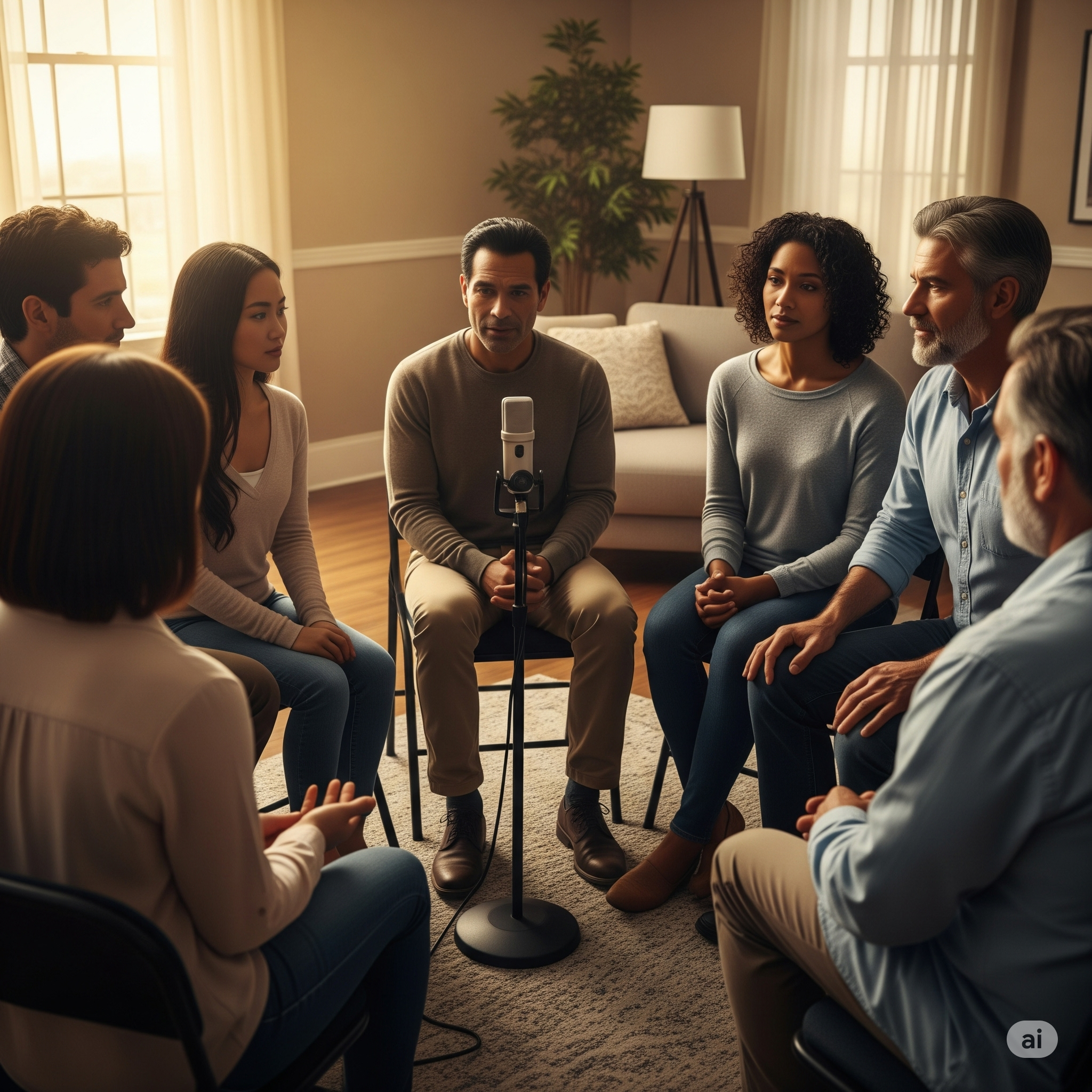
For many survivors of domestic violence, **telling their story** is a form of healing, empowerment, and advocacy. Whether it's shared in a support group, courtroom, social media post, or campaign—it can help others realize they are not alone.
But sharing your experience publicly or semi-publicly can come with risks. Here's how to do it **safely and intentionally**.
***
### 🎯 Why Survivors Choose to Share
* ✅ Reclaim your voice and power
* ✅ Process trauma and validate your own experience
* ✅ Raise awareness and reduce stigma
* ✅ Help other survivors feel less alone
* ✅ Advocate for change in systems, law, or society
***
### ⚠️ Before You Share: Key Safety Questions
* Am I in a **physically and legally safe position** to speak out?
* Could this affect any **ongoing court cases or custody disputes**?
* Do I want to remain **anonymous**, or share my name and face?
* Am I emotionally ready to **face reactions or relive trauma**?
* What do I hope to get from sharing—**healing, helping others, or both**?
> You don’t owe anyone your story. You have full control over how, when, and what you share.
### 🧠 Ways to Share Your Story
* **Anonymous blog posts or articles**
* **Private support groups (online or in person)**
* **Artistic expression**: painting, poetry, music, film
* **Victim Impact Statement in court**
* **Advocacy organizations or campaigns** (e.g., speaking at events)
* **Journalism**: interviews with DV-aware reporters
* **Social media**, using safety and privacy settings
***
### 🔐 Tips for Protecting Yourself
* Avoid sharing **real names, locations, or court case details** if you’re still at risk
* Use a **pseudonym** or tell your story in generalized terms
* Check **privacy settings** on any platform you use
* Avoid tagging others unless you have consent
* Remember: **you can say “no”** to questions that feel invasive
* Work with **trauma-informed organizations** that will respect your boundaries
***
### ❤️ Finding Safe Outlets to Tell Your Story
* **Shelters and sexual assault centres** often have safe storytelling workshops
* **Campaigns like #BeenThere**, **#MeToo**, or **Survivor-led blogs** welcome anonymous contributions
* **DV organizations in Ontario**, such as:
* **Barbra Schlifer Commemorative Clinic**
* **OAITH (Ontario Association of Interval and Transition Houses)**
* **DAWN Canada** (for survivors with disabilities)
* **Therapists** can help process your story before going public
***
### 📌 Summary: Safe Storytelling for Survivors
* ✅ Sharing can be healing and powerful, but it should be on **your terms**
* ✅ Protect your identity and safety if you’re still at risk
* ✅ Use secure, trauma-informed platforms or organizations
* ✅ Be kind to yourself—pause or stop if it gets too heavy
* ✅ You don’t have to share everything. Even a piece of your journey can inspire change.
***
### 📍 Ontario-Based Support for Sharing Safely
* **Barbra Schlifer Clinic** – [schliferclinic.com](https://www.schliferclinic.com/)
* **DAWN Canada** – [dawncanada.net](https://www.dawncanada.net/)
* **OAITH** – [oaith.ca](https://www.oaith.ca/)
* **211 Ontario** – Dial 2-1-1 for trauma counselling referrals
* **Assaulted Women’s Helpline** – 1-866-863-0511 (24/7)
***