
Community-Based Organizations Helping Domestic Violence Survivors in Toronto
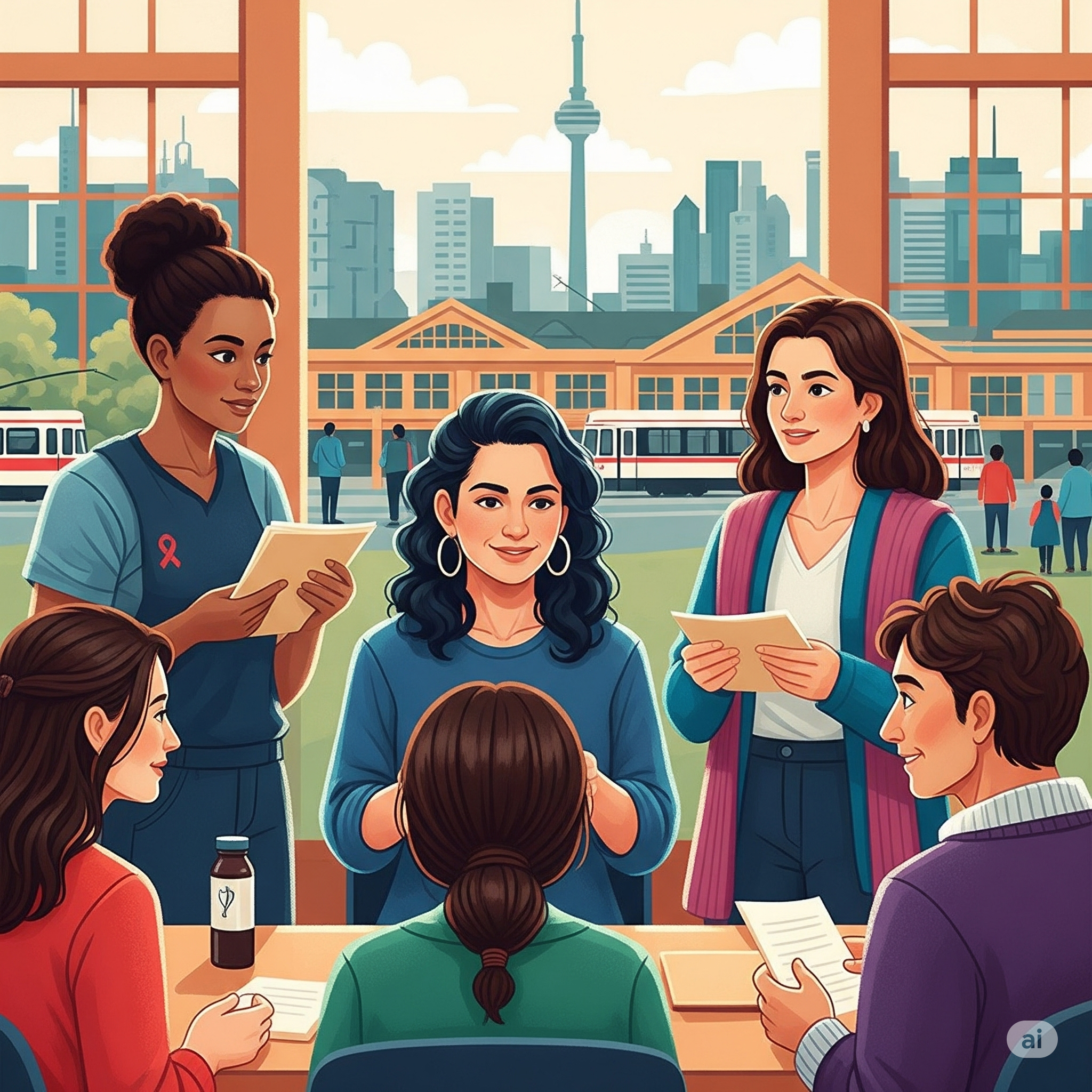
Community-Based Support for Domestic Violence Survivors in Toronto
The journey to safety and healing after domestic violence often requires more than legal intervention; it demands holistic care that addresses emotional, physical, and practical needs. In Toronto, a strong network of community-based organizations stands ready to offer compassionate, specialized assistance—providing safe spaces, expert guidance, and pathways to reclaiming your life.
The Critical Role of Community-Based Organizations
Community agencies are the cornerstone of survivor support because they:
-
Offer Holistic Care: From crisis intervention to long‑term healing, they help with housing, employment, and emotional wellness.
-
Provide Safe & Confidential Spaces: Ensuring survivors feel secure and understood without judgement.
-
Deliver Specialized Services: Catering to diverse communities—Indigenous, LGBTQ2S+, immigrants, seniors, men—ensuring culturally competent support.
-
Act as System Navigators: Advocating for survivors in legal aid, housing applications, and social services referrals.
Key Types of Community-Based Support in Toronto
1. Emergency Shelters and Transition Houses
What They Offer: Safe, confidential accommodation; meals; crisis counselling; safety planning; and referrals to other supports. These shelters are often the first lifeline for those fleeing abuse.
How to Access: Contact the Assaulted Women’s Helpline (1‑866‑863‑0511) or dial 2‑1‑1 Ontario. They will assess your needs and connect you to an available bed.
2. Support and Counselling Agencies
What They Offer: One‑on‑one and group counselling; trauma therapy; psychoeducation; emotional support; and ongoing safety planning to address psychological impacts of abuse.
Examples in Toronto: Interval House, Ernestine’s Women’s Place, Women’s Habitat of Etobicoke, Family Service Toronto, and various CMHA community mental health centres.
3. Legal Advocacy and Referral Services
What They Offer: Explaining court processes; assistance with documentation for protection orders; safety planning tied to legal action; and referrals to Legal Aid Ontario or pro bono lawyers.
4. Housing Support Programs (Beyond Emergency Shelters)
What They Offer: Help securing long‑term affordable housing—transitional, second‑stage, and permanent—plus assistance navigating subsidy and application processes.
5. Culturally and Identity-Specific Organizations
What They Offer: Tailored support reflecting cultural practices, language needs, and community contexts.
-
Indigenous Services: Traditional healing practices and decolonizing frameworks.
-
Immigrant & Refugee Services: Language interpretation, sponsorship advice, and cultural navigation.
-
LGBTQ2S+ Supports: Safe, affirming spaces and peer networks.
-
Disability Services: Accessible programs and advocacy for unique vulnerabilities.
-
Senior Supports: Elder abuse prevention and age‑friendly counselling.
How to Connect with Community Resources
Start with a single call for efficient access:
-
Assaulted Women’s Helpline (AWHL): 1‑866‑863‑0511 (24/7, confidential)
-
211 Ontario: Dial 2‑1‑1 or visit 211ontario.ca for a province-wide directory of services.
Be ready to share basic details about your situation; confidentiality is guaranteed.
What to Expect When You Reach Out
-
Confidentiality: Your privacy and safety are paramount.
-
Non-Judgmental Support: Staff are trained to listen and support with empathy.
-
Survivor-Centered Care: Services are designed around your needs and choices.
-
Empowerment: Building skills and resources so you can make informed decisions.
Taking the Next Steps
- Save these contacts in your phone and a secure document.
- Reach out as soon as possible—early support can change outcomes.
- Ask about follow‑up services: housing referrals, counselling, legal aid.
- Share the information with trusted friends or family for added support.